
Does your home’s siding look dull and covered in grime? You work hard to keep your house looking great, but dirt, mold, and mildew can quickly steal its curb appeal. Choosing the right cleaner for your siding can feel like a guessing game. Should you use harsh chemicals or gentle soap? Will it damage your paint or material? These questions cause headaches for homeowners everywhere.
Getting this wrong means wasting money on products that don’t work, or worse, damaging your siding permanently. We understand the frustration of trying to restore that fresh, clean look without causing harm. This guide cuts through the confusion. You will learn exactly what makes a siding cleaner effective and safe for your specific exterior.
Keep reading to discover the best methods and products to make your siding shine like new. We will break down the science so you can clean confidently and enjoy a beautiful home this season.
Top Cleaner For Siding Recommendations

- Cleans house siding including vinyl, aluminum, stucco, wood and brick
- Removes stains and discoloring from algae and moss
- Uses the power of peroxide to lift grime without harsh chemicals
- Safe for direct-release into oceans, lakes and streams
- Pressure washer concentrate cleans up to 6, 400 sq. Ft.


- CLEANS STAINS CAUSED BY ORGANIC GROWTH: 30 SECONDS Outdoor Cleaner rapid cleans stains caused by algae, mold, mildew and moss
- EASY TO USE: Just spray on to the surface you would like to clean and hose off! No more pressure washing
- SAFE FOR LAWN AND PLANTS: When used as directed, 30 SECONDS Outdoor Cleaner will not harm your lawn, trees, shrubs or landscaping
- EFFECTIVE FOR MULTIPLE SURFACES: Works great on wood decks, concrete sidewalks, asphalt driveways, brick walls, most canvas awnings, plastic outdoor furniture, vinyl siding & more!
- GREAT VALUE: 1 Gallon of Concentrate cleans up to 200 square feet on porous surfaces, and up to 600 square feet on non-porous surfaces. This offer is for (3) 64oz bottles of our outdoor wash with hose end sprayer

- CLEANS ALGAE, MOLD, MILDEW & MOSS STAINS: The 30 SECONDS Outdoor Cleaner rapidly cleans stains caused by algae, mold, mildew and moss on siding, decks, patios, brick, fences and driveways around your home
- SAFE FOR LAWN AND PLANTS: When used as directed, the 30 SECONDS Outdoor Cleaner will not harm your lawn, trees, shrubs or landscaping, so you can treat siding, patios and driveways near planted areas
- EASY TO USE, NO PRESSURE WASHING: Just spray it onto the surface you want to clean and hose it off; there is no more pressure washing, mixing or scrubbing, which saves you water, time and effort
- EFFECTIVE ON MANY SURFACES: Works great on wood decks, concrete sidewalks and driveways, asphalt, brick walls, most canvas awnings, plastic outdoor furniture, vinyl siding, patios, fences and more
- 2 PACK WITH HOSE END SPRAYER: Includes a hose-end sprayer that connects straight to your garden hose, plus a two-bottle supply for whole-house cleaning and recurring algae, mold, mildew and moss touch-ups

- BRIGHTER RESULTS INSTANTLY: Noticeably brightens indoor and outdoor surfaces, removing black mold and mildew stains as you watch, with no scrubbing or pressure washing required for fast, visible results
- NO SCRUBBING REQUIRED: Avoid the hassle and backbreaking work of scrubbing tough stains; the PRO formula lifts mold and mildew stains on contact so you simply apply, watch and rinse where needed
- 2X STRONGER FORMULA: The PRO formula is 2X stronger than the standard 30 SECONDS Outdoor Cleaner, made for your toughest black mold and mildew stains and messes on both indoor and outdoor surfaces
- OUTDOOR AND INDOOR USE: Use on siding, fences, decks, concrete floors, brick walls, drywall, wood, kitchen surfaces, bathroom tile and grout, bathtub soap scum and showers where mold and mildew can grow
- REMOVES BLACK MOLD STAINS & MORE: Targets stubborn black mold and mildew stains on a wide range of surfaces, giving a brighter, cleaner result indoors and outdoors without scrubbing or pressure washing
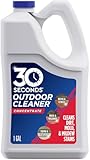
- REMOVES STAINS FROM ORGANIC GROWTH ON YOUR OUTDOOR SURFACES: 30 SECONDS Outdoor cleaner cleans stains from mold, mildew, dirt and grime
- POWERFUL CONCENTRATED FORMULA: Our concentrated formula is easy use. Simply mix a 1:1 ratio with water and you are ready for a rapid clean
- IMMEDIATE RESULTS ON A VARIETY OF OUTDOOR SURFACES: Works on many outdoor surfaces including decks, composite and stained surfaces. Concrete, bricks and masonry. Gutters, siding, canvas, plastic and stucco. Fences, arbors and painted surfaces. You can see results immediately!
- PLANT AND LAWN SAFE: When used as directed, 30 SECONDS outdoor cleaner is safe to use around landscaping, plants, and your lawn. The formula breaks down once rinsed into the soil.

- CLEANS AND BRIGHTENS IN MINUTES: Microban Outdoor Surface Care removes mold, mildew and algae stains with visible results in minutes. Your exterior surfaces will look bright and new - no ladder or scrubbing required.
- FOAMING ACTION: clings to surfaces and lifts away dirt, debris, and stubborn stains for a better clean *. (*Compared to scrubbing alone).
- IDEAL FOR USE ON: T siding, decks, fences, painted, sealed or stained brick, wood, stone, stucco, vinyl, gutters, and more.
- EASY TO USE: Simply spray Microban Outdoor Surface Care onto your surface, wait 10 minutes and rinse off.
- COVERAGE AREA: This outdoor cleaner covers up to 4,500 square feet using the wide spray pattern. Won't harm plants, grass, trees or shrubs when used as directed.

- Outdoor Mold and Mildew Stain Cleaner: Helps break down and lift stubborn surface stains caused by mold, mildew, algae and dirt on decks, fences, brick, masonry, siding and stucco
- Fast Acting Spray, No Scrubbing Required: Attach to a garden hose, spray and rinse to help restore surface appearance without brushing, scrubbing or pressure washing
- SAFE AROUND PLANTS AND LAWNS: Safe around plants, lawns and gardens when used as directed. Contains bleach. Read the entire label before use
- WORKS ON 100+ SURFACES: Concrobium Technology works on up to 100+ surfaces, including decks, fences, brick, masonry, siding and stucco
- UP TO 40+ FEET REACH: The hose-end sprayer reaches up to 40+ feet when used as directed. The 64 fl oz (2 quart) bottle comes with the sprayer attached

- GET RID OF STUBBORN MOLD AND MILDEW STAINS: Our professional-strength spray cleaner targets stubborn discoloration left behind by mold and mildew, helping restore the appearance of affected surfaces.
- USING RMR-86: For safe and effective removal of indoor mold and mildew stains and odors, always use proper ventilation and appropriate personal protective equipment (PPE) during application.
- WORKS ON MULTIPLE SURFACES: Remove stubborn mold and mildew stains from decks, wood, vinyl siding, drywall, concrete, brick, and other approved surfaces. Test in an inconspicuous area before use, as directed on the label.
- FAST-ACTING STAIN REMOVER: Our powerful, fast-acting formula begins working quickly to remove stubborn mold and mildew stains from affected surfaces, including hard-to-reach areas.
- NO SCRUBBING NEEDED: Simply apply our ready-to-use formula as directed and watch stubborn stains disappear without scrubbing. One gallon covers approximately 250–300 square feet, or 62–75 square feet per 32-ounce bottle, depending on surface conditions and application.
Your Guide to Choosing the Best Siding Cleaner
Your home’s siding protects it from the weather. Over time, dirt, mold, and mildew can make it look dull. A good siding cleaner brings back its fresh look. This guide helps you pick the right product for your needs.
Key Features to Look For
When shopping for siding cleaner, several features matter most. These features determine how well the cleaner works and how easy it is to use.
Cleaning Power and Effectiveness
- Stain Removal: Look for cleaners that specifically target common siding stains like algae, mildew, and dirt buildup. Strong formulas clean better.
- Speed: Some cleaners work fast, needing only a quick spray and rinse. Others require longer dwell times to break down tough grime.
- Rinse Requirement: Check if the product needs thorough rinsing. No-rinse formulas save time but might leave residue if not used correctly.
Safety and Material Compatibility
- Surface Safety: Ensure the cleaner is safe for your siding material. Vinyl, wood, aluminum, and fiber cement all react differently to chemicals.
- Environmental Impact: Consider biodegradable options if you worry about runoff affecting your lawn or plants.
Important Materials in Siding Cleaners
Siding cleaners use different active ingredients. Understanding these helps you match the cleaner to the mess you face.
Active Cleaning Agents
- Surfactants: These are soap-like ingredients. They lift dirt and grease off the siding surface, making them essential for general cleaning.
- Bleach/Sodium Hypochlorite: This is very effective against mold and mildew. It brightens surfaces quickly. However, it can sometimes fade paint if used too strong or left too long.
- Oxygen Bleach (Sodium Percarbonate): This is a gentler alternative to chlorine bleach. It brightens and cleans well, often breaking down into water and oxygen. It is usually safer for landscaping.
Inactive Ingredients
Additives like thickeners help the cleaner stick to vertical surfaces. Fragrances mask strong chemical smells. Always check for corrosion inhibitors if you have metal components near the siding.
Factors That Improve or Reduce Quality
The quality of a siding cleaner depends on its formulation and how you use it.
Factors That Improve Quality
- Concentration: Highly concentrated formulas usually offer better value. You mix them yourself, allowing you to adjust strength for light dirt or heavy mold.
- UV Protection: Some high-quality cleaners leave behind a residue that slightly resists future dirt adhesion, keeping your siding cleaner longer.
Factors That Reduce Quality
- Harsh Chemicals: Overly aggressive cleaners can damage soft vinyl siding or etch aluminum finishes. Always follow dilution instructions.
- Residue: Poorly formulated or insufficiently rinsed cleaners leave a sticky film. This film attracts dirt faster than before, making your siding look dirty again quickly.
User Experience and Use Cases
How you plan to apply the cleaner greatly affects your choice.
Application Methods
- Ready-to-Use (RTU): These are convenient. You pour them directly into a pump sprayer or pressure washer reservoir. They are best for small jobs or quick touch-ups.
- Concentrates: These require mixing with water. They are cost-effective for large homes or yearly deep cleans. You often apply these using a garden sprayer or a pressure washer proportioner.
Specific Use Cases
If you have stubborn black mold on shaded areas, you need a cleaner with strong oxidizing agents like bleach. If you are just dusting off road grime on sunny siding, a simple surfactant cleaner might suffice. Always test the cleaner on a small, hidden area first.
Siding Cleaner Buying Guide FAQ
Q: What is the main difference between bleach-based and non-bleach cleaners?
A: Bleach cleaners kill mold and mildew very effectively and whiten stains. Non-bleach cleaners, often using oxygen bleach or surfactants, clean surface dirt well but might need more scrubbing for deep mold penetration.
Q: Can I use floor or deck cleaner on my siding?
A: You should avoid it. Floor and deck cleaners are formulated for different surfaces. Siding cleaners are balanced to clean painted or plastic surfaces without causing streaks or chemical damage to the siding material itself.
Q: How should I apply a concentrated siding cleaner?
A: First, mix the concentrate with water in a garden pump sprayer according to the label directions. Apply the solution evenly to the siding, starting from the bottom and working up. Let it sit for the recommended time, then rinse thoroughly, usually from top to bottom.
Q: Is pressure washing necessary when using these cleaners?
A: Pressure washing speeds up the process significantly, especially for tough dirt. However, many cleaners work well with a standard garden hose rinse if you allow enough dwell time for the chemicals to work.
Q: Will the cleaner harm my plants if it runs off the siding?
A: Some strong cleaners can harm plants. Always wet down nearby grass and shrubs with plain water before you start cleaning. This dilutes any cleaner that drips onto them. Biodegradable options are safer for landscaping.
Q: How often should I clean my siding?
A: Most homes benefit from a thorough cleaning once a year, usually in the spring. If you live near heavy traffic or have a lot of shade promoting mildew growth, you might clean twice a year.
Q: What does “dwell time” mean for a siding cleaner?
A: Dwell time is the amount of time the cleaner must remain on the surface before you rinse it off. This time lets the cleaning agents break down the grime. Rinsing too soon reduces the cleaner’s effectiveness.
Q: Can I use these cleaners on wood siding?
A: Yes, but you must be careful. Use lower pressure and choose formulas specifically recommended for wood. Harsh chemicals can strip the natural oils or stain from wood siding.
Q: What is the best way to check if the product is safe for my vinyl siding?
A: Always check the product label for confirmation that it is safe for vinyl. Before cleaning the whole house, spray a small, inconspicuous area. Let it sit for five minutes, then rinse. Look for any discoloration or softening of the vinyl.
Q: Are ready-to-use cleaners less powerful than concentrates?
A: Not necessarily less powerful, but they are already diluted. Concentrates offer you the flexibility to create a much stronger solution for very tough jobs compared to the fixed dilution in an RTU bottle.