
As an Amazon Associate I earn from qualifying purchases.
You need an emulsion paint that dries fast, covers well and doesn’t smell like a chemical plant. Whether you’re touching up a bedroom wall or finishing a canvas, the wrong choice means extra coats, lingering odours or a finish that chips in months.
What matters most is how the paint handles touch-ups, its drying time and the surface it sticks to. Some emulsions are designed for walls, others for art; some dry matte, others stay flexible for outdoor use.
We picked six emulsions that cover different needs and budgets, from quick-dry wall paints to artist-grade vinyl emulsions. All are readily available and reviewed by real users.
This guide explains what each product does best and where it falls short, so you can choose without regrets.
Our Top 6 Emulsion Paint Picks at a Glance
| Product | ||
|---|---|---|
 |
Rustins Quick Dry Matte Emulsion Paint White 250ml Quick-dry walls |
Check Price |
 |
Rustins Quick Dry Matte Emulsion Paint Magnolia 250ml Soft colour walls |
Check Price |
 |
Lefranc Bourgeois Acrylic Vinyl Emulsion White 1 Piece Artist surfaces |
Check Price |
 |
Lefranc Bourgeois Flashe Vinyl Paint White 80ml Tube Art projects |
Check Price |
 |
Speedball Diazo Photo Emulsion Kit 195ml Screen printing stencils |
Check Price |
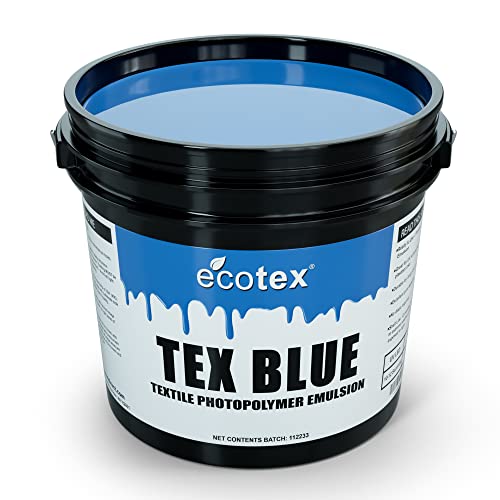 |
Ecotex Tex-Blue Pre-Sensitized Screen Printing Emulsion Pt Screen printing beginners |
Check Price |
Top 6 Emulsion Paint: Detailed Reviews
1. Rustins Quick Dry Matte Emulsion Paint White 250ml
Rustins Quick Dry Matte Emulsion Paint White 250ml is a low-odour, water-based white emulsion designed for interior walls. It dries fast—often within an hour—so you can recoat or move furniture back sooner than with standard paints. The matte finish hides minor imperfections better than glossier options, though it shows dirt more over time. It’s ready to use straight from the tin, so no thinning or mixing is needed, which saves time and mess.
What We Like:
- Dries in about an hour, letting you finish a room in a single day
- Low odour means you can paint without vacating the space
- Matte finish gives a smooth, non-reflective look that works in most rooms
- Ready-to-use formula eliminates prep work like thinning or tinting
- Covers well with two coats on clean, primed walls
What Could Be Improved:
- Matte finish shows scuffs and stains more than silk or eggshell
- Coverage may drop if the wall isn’t properly cleaned or primed
- 250ml may not be enough for large rooms or multiple coats
Buy this if you need a quick, fuss-free white finish for small to medium rooms and want to avoid strong smells. Skip it if you need a more durable or washable surface, or if you’re tackling a large area and want to avoid buying multiple tins.
2. Rustins Quick Dry Matte Emulsion Paint Magnolia 250ml
Rustins Quick Dry Matte Emulsion Paint in Magnolia is a water-based, low-odour interior emulsion designed for walls. It dries quickly, so you can recoat in hours rather than days, cutting downtime after painting. The smooth matt finish gives a soft, velvety look that hides minor surface imperfections better than glossier paints. Its subtle magnolia tone works as a neutral backdrop or a gentle accent in most rooms.
What We Like:
- Dries fast enough to recoat in 2–3 hours under normal conditions
- Low odour makes it practical for occupied rooms
- Smooth matt finish reduces the need for perfect prep work
- Water-based formula cleans up with soap and water
- Comes in a convenient 250 ml size for small jobs
What Could Be Improved:
- Coverage is modest—expect about 8 m² per 250 ml in one coat
- Magnolia shade can look flat under strong lighting without a second coat
- Not tintable, so you’re stuck with the pre-mixed colour
Buy this if you need a quick, low-smell matt emulsion for a small room or touch-up. Skip it if you want a bold colour or large coverage; look for a bigger tin or a tintable alternative.
3. Lefranc Bourgeois Acrylic Vinyl Emulsion White 1 Piece
Lefranc Bourgeois Acrylic Vinyl Emulsion is a high-pigment, matte-finish acrylic paint designed for artists who need reliable colour stability and versatility. The acrylic vinyl emulsion resists water, turpentine and environmental damage, making it suitable for both indoor and outdoor projects. You can dilute it with water before it dries, but once set, it becomes water-resistant and can only be removed with alcohol-based solvents. Its flexibility and lightfastness ensure long-term durability, ideal for restoration work or mixed-media pieces.
What We Like:
- Delivers consistent, opaque colour with high pigment load for vibrant results
- Works on almost any surface—canvas, paper, wood, fabric, even stone
- Remains flexible and resistant to cracking over time
- Can be thinned with water for washes or glazes before drying
- Made in France under strict quality controls
What Could Be Improved:
- Requires alcohol-based solvents for cleanup, which adds cost and effort
- Dries matte, so if you prefer glossy finishes, you’ll need a topcoat
- Higher price point compared to standard acrylics
Buy this if you need a durable, high-colour-stability paint for mixed media or restoration. Skip it if you want a budget-friendly option or prefer glossy finishes without extra steps.
4. Lefranc Bourgeois Flashe Vinyl Paint White 80ml Tube
Lefranc Bourgeois Flashe Vinyl Paint is an 80ml tube of white ultra-matte vinyl emulsion designed for detailed art and multisurface use. Its vinyl emulsion formula combines water with high-quality vinyl resin, giving it an extra-fine, fluid texture that’s easy to control for fine lines and intricate work. The ultra-matte finish is non-reflective, making it ideal for scanning or photographing your artwork without glare. Its dense pigments stay vibrant even when thinned, and the ultra-adherent formula sticks to almost any non-oily surface—wood, metal, plastic, glass—without priming.
What We Like:
- Ultra-matte finish eliminates glare, perfect for scanning or photographing art
- Highly opaque pigments maintain color strength even when diluted
- Works on nearly any non-oily surface without priming
- Extra-fine texture allows for precise, detailed brushwork
- Available in 76 colors, including iridescent, metallic, and fluorescent options
What Could Be Improved:
- Fluorescent colors are not lightfast, limiting long-term display options
- Thinning too much can reduce opacity and adhesion
- Not suitable for oily or greasy surfaces without extensive prep
Buy this if you need a versatile, ultra-matte vinyl emulsion for detailed art or multisurface projects. Skip it if you need lightfast fluorescent colors or work with oily surfaces.
5. Speedball Diazo Photo Emulsion Kit 195ml
Speedball’s Diazo Photo Emulsion Kit is a two-part system for making detailed screen-print stencils. The emulsion itself is a dried powder you mix with water to a green liquid, then add a thick diazo sensitizer to make it light-sensitive. Unlike traditional emulsions, you don’t need a darkroom—mixing happens under normal light. Once sensitized, you coat your screen, let it dry, expose it under a bright light with your stencil, then rinse out the unexposed areas to create crisp, photographic detail.
What We Like:
- Two-step process keeps the emulsion stable until you’re ready to use it
- No darkroom required—mix and coat in normal room light
- Produces fine details suitable for photographic or intricate designs
- Includes remover to clean screens after use
- Conforms to ASTM D-4236 safety standards
What Could Be Improved:
- Dried emulsion requires careful rehydration—shaking too little leaves lumps
- Sensitizer is thick oil; measuring and mixing can be messy
- Cleanup demands separate space and ventilation for the remover
Buy this kit if you need precise, photographic stencils and can handle a bit of prep work. Skip it if you want a single-bottle, no-mix emulsion or lack space for cleanup.
6. Ecotex Tex-Blue Pre-Sensitized Screen Printing Emulsion Pt
Ecotex Tex-Blue is a pre-mixed, pre-sensitized emulsion designed for screen printing. You skip mixing diazo and measuring chemicals, which means no guesswork and fewer mistakes. It’s ready to coat screens immediately and works with plastisol, UV, and water-based inks. The emulsion cures under standard exposure units or DIY light setups, so you don’t need special equipment. It’s a practical choice if you want reliable results without the hassle of sensitizing it yourself.
What We Like:
- No diazo mixing required, saving time and reducing errors
- Compatible with most screen printing inks, including plastisol and UV
- Long 12-month shelf life without losing effectiveness
- Works with both professional exposure units and DIY light setups
- Made in the USA, which appeals to buyers prioritizing domestic products
What Could Be Improved:
- Requires proper exposure timing—over or under-exposure ruins the stencil
- Not ideal for very fine details compared to some specialty emulsions
- Cleanup needs emulsion remover, which isn’t included
Buy this if you want a straightforward, durable emulsion for general screen printing projects. Skip it if you need ultra-fine detail work or prefer mixing your own emulsions for custom sensitivities.
How to Choose the Right Emulsion Paint
Emulsion paint is water-based, low-VOC, and easy to clean up, making it the go-to for walls and creative projects alike. The right choice depends on drying time, finish, surface, and use case. Below are the factors that decide whether an emulsion will work for you.
Drying speed and recoat time
Quick-dry emulsions let you finish a room in a weekend without waiting days between coats. They’re ideal for high-traffic areas or tight schedules, but some sacrifice depth of color or require extra prep. Standard emulsions offer richer finishes and better coverage but keep you off the ladder longer. Check the label: quick-dry usually means 1–2 hours touch-dry and 4–6 hours full cure.
Finish and light reflection
Matte hides wall imperfections and feels soft under artificial light, but it stains easily and can look flat in bright rooms. Satin and eggshell reflect more light, resist scuffs, and clean up better, yet they highlight flaws if your walls aren’t smooth. For art surfaces, matte vinyl emulsions give a velvety look that accepts mixed media, while glossier options can look too shiny and brittle.
Surface and primer needs
New plaster needs a stabilising primer to prevent the emulsion from sinking in. Previously painted walls with gloss or oil paint require a keying primer or deglosser. Porous surfaces like bare wood or canvas drink up paint fast; use a primer or dilute the first coat. For screen printing, emulsions must match the mesh count and stencil method—check the kit’s instructions before buying.
Coverage and cost per square metre
Coverage figures assume two coats on a smooth surface. Thinner paints cost less upfront but may need extra coats, raising the total spend. Thicker, high-build emulsions cover better but can sag on vertical surfaces if overloaded. Artist-grade vinyl emulsions often cost more per millilitre but deliver richer pigments and better lightfastness for mixed media work.
Common Questions About Emulsion Paint
Can I use emulsion paint on wood or metal?
Use emulsion only on primed, dry wood or metal; it’s not a sealant. For exterior metal, choose a specialist metal paint instead.
How many coats of emulsion do I need?
Most walls need two coats for even coverage. Darker colours or porous surfaces may require three.
Is emulsion paint washable?
Standard matte emulsions aren’t washable; satin and eggshell finishes resist scrubbing better.
Can I thin emulsion paint with water?
Yes, for the first coat on porous surfaces. Add no more than 10% water to avoid weakening the binder.
What’s the difference between acrylic and vinyl emulsion?
Acrylic is flexible and fade-resistant; vinyl is harder and more water-resistant, but less breathable.
Final Thoughts on Emulsion Paint
The best overall emulsion for walls is a quick-dry matte: it covers fast, hides flaws, and keeps VOCs low. If you need colour without waiting, a tinted quick-dry matte like Magnolia is the practical pick. For art, a white vinyl emulsion gives the smooth, receptive surface that mixed media demands. Choose based on drying time, finish, and surface—then stick with a brand that matches your project’s pace and precision.”